
Hidden unemployment in Europe: Which countries face the greatest labour market slack?
Introduction
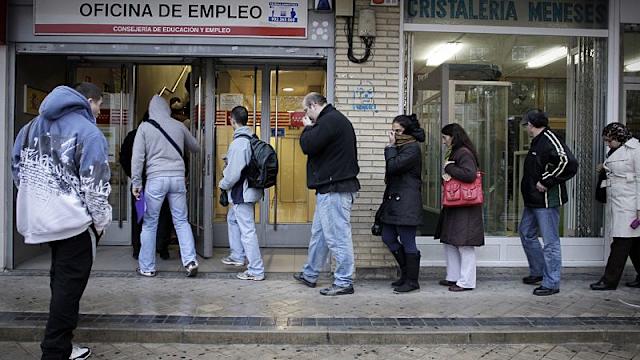
Traditional unemployment statistics only tell part of the story. Many people who want to work — or are capable of working — are not counted as unemployed, even though they are available to take a job. The concept of labour market slack helps reveal this “hidden unemployment” by including several additional groups:
- those who are underemployed (working fewer hours than they would like),
- those who are available for work but not actively looking,
- and those who are searching but cannot start immediately due to personal or logistical reasons.
What Is Labour Market Slack and Why Does It Matter?
Labour market slack = official unemployment + underutilised labour (underemployment, potential labour force, and unavailable job seekers).
According to Eurostat data for Q2 2025, the EU’s overall slack rate stands at 11.7% — nearly twice the official unemployment rate of 5.8%.
This broader measure matters because it reveals hidden reserves of labour that could contribute to the economy if suitable opportunities or incentives were provided.
Which Countries Have the Highest Labour Market Slack?
Here are some key examples across Europe and neighbouring regions:
| Country | Labour Market Slack (Q2 2025) |
|---|---|
| Turkey | ~25.8% — by far the highest in Europe. |
| Finland | ~19.5% |
| Sweden | ~18.8% |
| Spain | ~18.6% |
| Bosnia and Herzegovina | ~17.1% |
| France | ~15.4% |
| Italy | ~15.0% |
Meanwhile, several countries show relatively low slack levels, suggesting tighter labour markets:
- Poland — ~5.1%
- Slovenia — ~5.3%
- Malta — ~5.4%
- Bulgaria — ~5.5%
Among the EU’s largest economies, Germany stands out with one of the lowest overall slack rates — around 7.8%.
Why the Differences? Key Contributing Factors
Experts (including from the International Labour Organization) point to several factors that explain these differences:
- Persistent long-term unemployment can lead to discouragement and lower job-seeking activity.
- Limited support systems — such as affordable childcare or social infrastructure — can keep potential workers (especially women) out of the labour force.
- Skills mismatches: many people hold degrees or experience that do not align with the jobs available.
- High rates of part-time or temporary work, often involuntary, contribute to underemployment.
- Cultural and structural factors, including informal employment or strong reliance on seasonal industries.
Each component of the slack metric (underemployment, availability, search status) affects labour dynamics differently — meaning two countries with the same total slack might face very different structural challenges.
What Can Be Done?
The labour market slack indicator helps policymakers and economists identify hidden capacity within the workforce — people who could work more or enter the labour market under the right conditions.
High slack levels may signal the need for:
- Upskilling and retraining programs to align skills with market demand.
- Incentives for workforce participation, especially among groups with low activity rates.
- Better social infrastructure, such as childcare, healthcare, and flexible work policies.
- Support for transitioning part-time workers into full-time roles if desired.
Reducing hidden unemployment is not just about lowering the headline unemployment rate — it’s about activating Europe’s untapped human potential.
Conclusion
Labour market slack is a crucial yet often overlooked measure of economic health.
While countries like Poland and Germany enjoy relatively tight labour markets, others such as Finland, Spain, and Turkey still face significant hidden unemployment.
Understanding and addressing these gaps can help Europe build a more resilient, inclusive, and productive workforce in the years ahead.